
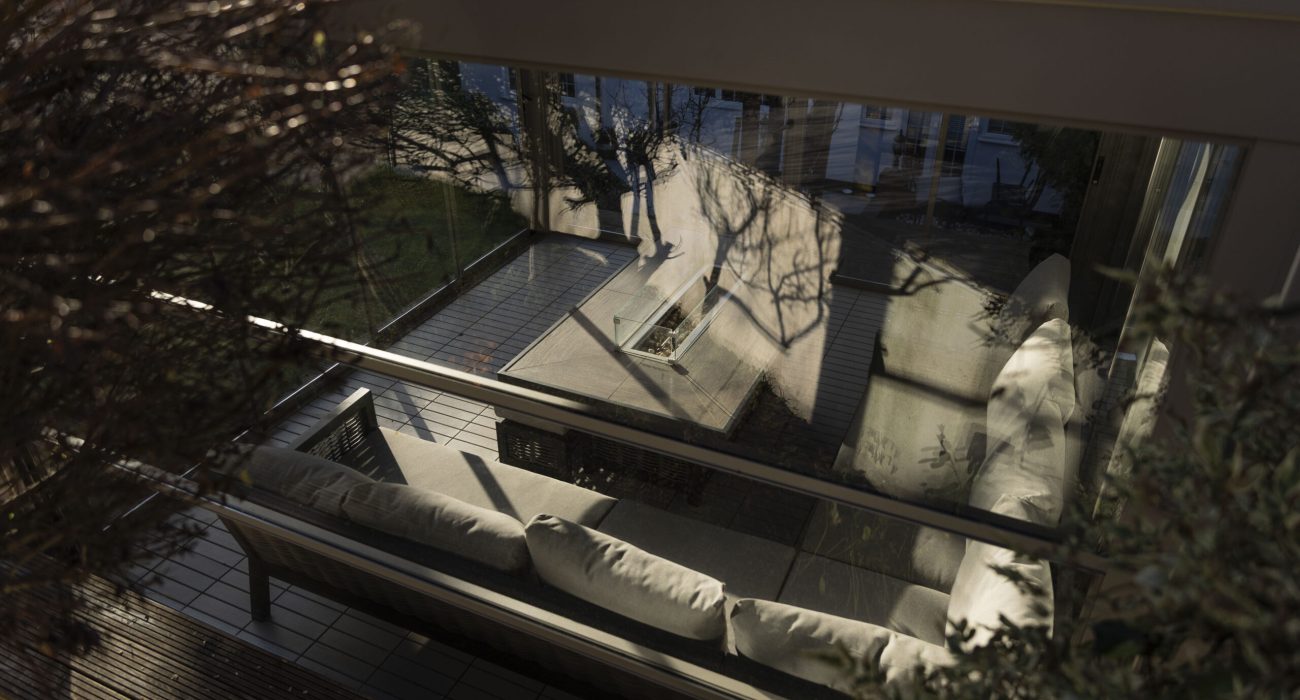
Designing an outdoor living space all year round requires more than seasonal furniture or temporary solutions. A truly comfortable outdoor area is planned to adapt to changing weather, daily use and long-term lifestyle needs.
Designing a year-round outdoor living space is not about adding more elements, but about making smart, long-term design decisions that balance comfort, protection, flexibility and aesthetics.
Understand the Challenges of Year-Round Outdoor Living
Before planning any outdoor space, it is essential to understand what limits its usability across seasons:
- Rain, wind and temperature fluctuations
- Excessive sun exposure in summer
- Limited protection during colder months
- Poor transitions between indoor and outdoor areas
A successful outdoor living design addresses these challenges from the start, rather than relying on temporary or seasonal fixes.
Start with a Flexible Structural System
The foundation of all-season outdoor comfort lies in adaptive structures that respond to different weather conditions.
Solutions such as adjustable pergola systems, retractable roofs or integrated glass enclosures allow spaces to open up when conditions are favourable and remain protected when needed.
Key design principles include:
- Adjustable overhead protection
- Structural durability for long-term use
- Seamless integration with the existing architecture
Flexibility ensures that the space evolves with the seasons rather than becoming unusable for half the year.
Create Weather Protection Without Losing Openness
Comfortable outdoor living requires protection — but not enclosure at the cost of openness.
Architectural glass systems and vertical shading solutions help maintain visual continuity while providing shelter from wind, rain and temperature changes. These systems allow outdoor areas to feel connected to nature while still offering the control needed for year-round use.
When designed correctly, outdoor spaces remain:
- Bright and open in summer
- Sheltered and calm during colder or windier periods
Prioritise Shading and Climate Balance
One of the most overlooked aspects of outdoor living design is climate balance.
Effective shading solutions prevent overheating in warmer months while supporting comfort during transitional seasons. Integrated shading systems also enhance privacy and improve the overall usability of the space at different times of day.
Rather than treating shading as an accessory, it should be considered an essential architectural element of outdoor comfort.
Design for Everyday Use, Not Occasional Moments
A year-round outdoor living space should feel as practical as an indoor room.
That means:
- Clear zoning for dining, relaxing and socialising
- Thoughtful furniture placement that supports flow and usability
- Materials chosen for durability and low maintenance
Spaces designed only for special occasions tend to remain unused. Designing for everyday comfort ensures consistent value throughout the year.
Think in Terms of Indoor–Outdoor Continuity
The most successful outdoor living spaces are those that feel like a natural extension of the interior.
This can be achieved through:
- Matching architectural lines and finishes
- Aligning floor levels and transitions
- Using transparent or retractable systems that blur boundaries
When indoor and outdoor spaces work together, usability increases dramatically — especially in colder or unpredictable climates.
Long-Term Comfort Comes from Smart Planning
Year-round outdoor living is not about reacting to the weather, but about anticipating it.
By combining adaptive structures, weather protection, shading systems and architectural continuity, outdoor spaces become comfortable, usable and visually refined throughout the entire year.
A well-designed outdoor living area adds lasting value to both daily life and the property itself — turning exterior spaces into places that are enjoyed, not avoided.